
WELCOME BONUS 200%
UP TO €1500 + 200
FREE SPINS
UP TO €1500 + 200
FREE SPINS
Home → Games
Casino games at Kingdom Casino
Plein Pays 35:1, Cheval Pays 17:1
The French Roulette inner bets offer a Straight payout of 35 to 1 for a single number selection on the wheel. This rate matches the European Roulette structure but applies to a 37-sector layout with a 2.70 percent house edge. Players must apply optimal strategy because La Partage rules do not extend to these specific interior wagers.
A Cheval bet covering two adjacent numbers yields a 17 to 1 return when both selected digits hit. The probability remains identical to other split wagers despite the different terminology used in this variant. This specific payout ratio ensures consistency across all inside propositions regardless of the number of spots covered by the chip placement.
Comparing the Straight and Cheval payouts reveals a proportional relationship where the double-number bet pays exactly half the odds. The underlying house advantage stays constant at 2.70 percent for all these standard roulette options. Understanding these fixed returns helps players calculate expected losses over extended sessions of play.
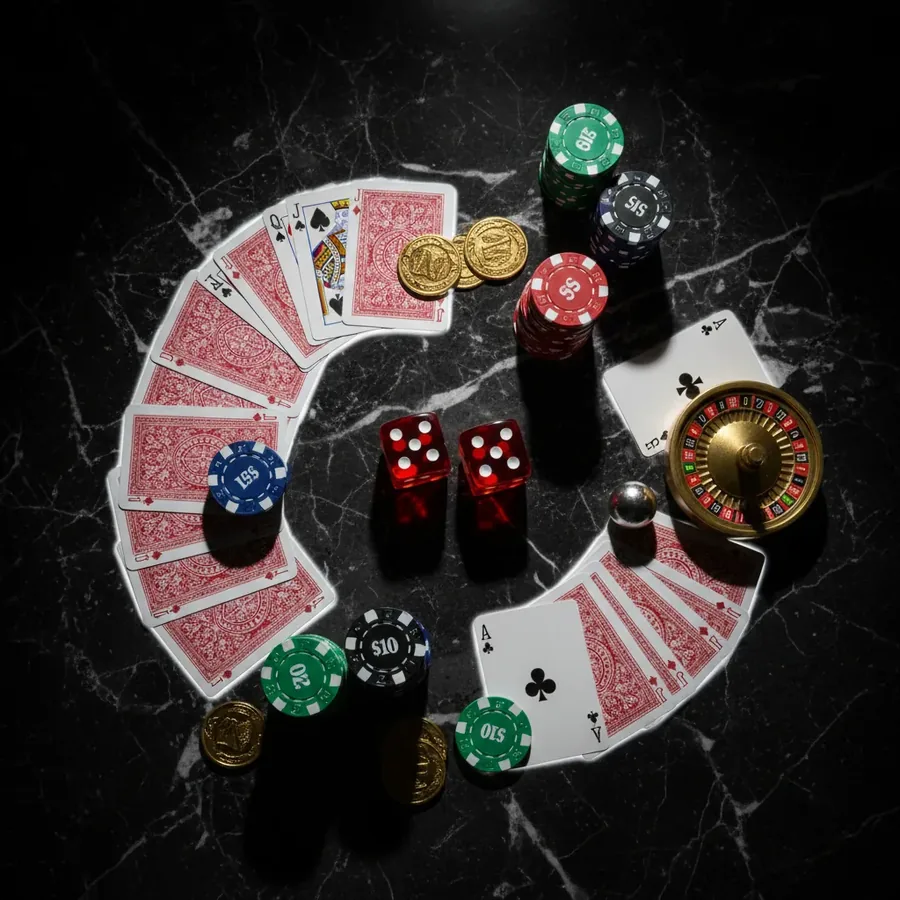
Minimum deposit 20 EUR, table games count 10 percent
The Kingdom Casino welcome bonus requires a minimum initial deposit of 20 EUR to activate the promotional credits. This threshold establishes the baseline entry point for new players seeking to utilize the available financial incentives offered by the platform. Any amount below this limit fails to trigger the corresponding bonus allocation system entirely.
Table game contributions to wagering requirements are capped at a mere 10 percent contribution rate compared to slots. This low percentage significantly increases the total turnover needed to clear bonus funds since only a fraction of each stake counts toward the goal. Players must generate ten times the face value in eligible bets to satisfy the condition effectively.
A 20 EUR deposit combined with the 10 percent table game contribution means players must wager 200 EUR in blackjack or roulette. This calculation assumes a standard 40x wagering requirement applied to the bonus amount derived from that deposit. Such high volume demands strict bankroll management to avoid depleting funds before meeting the clearance targets.
Pass Line in Craps: Process in Four Steps
The Pass Line bet in Craps offers a house edge of 1.41 percent with an RTP of 98.59 percent per roll. This figure represents one of the most favorable odds available on the casino floor for standard table games. The statistical advantage remains fixed regardless of the current state of the dice or previous outcomes.
The process begins when the shooter rolls a natural 7 or 11 on the come-out, winning immediately for the player. Conversely, rolling a 2, 3, or 12 results in an instant loss for those backing the pass line wager. These initial outcomes determine the immediate fate of the bet without establishing any subsequent point values.
If a point number like 4, 5, 6, 8, 9, or 10 is established, the shooter must roll that number again before a 7 appears. Winning occurs once the point is repeated, while a 7 constitutes a seven-out and ends the round. This sequence defines the core mechanic driving the volatility and pacing of the craps table experience.
Hold or discard five cards: the decision
Video Poker Deuces Wild features a full pay table offering an RTP of 100.76 percent with optimal play. This positive expectation makes it the sole mass-market game where skilled players can theoretically maintain a long-term advantage. Every card held or discarded directly impacts the final hand rank and potential payout multiplier.
The strategy involves holding all four deuces as wild cards while discarding the remaining five non-wild selections. Deviating from this perfect strategy causes the RTP to drop below 100 percent rapidly due to reduced hand frequencies. Maintaining this discipline is essential for preserving the mathematical edge provided by the game rules.
Natural Royal Flushes pay 800 coins while Four Deuces yield 200 coins in the maximum bet scenario. Lower tier hands like Straights pay only 2 coins, emphasizing the importance of targeting high-value combinations. Proper card retention decisions maximize the frequency of these lucrative outcomes during typical gameplay sessions.
American Roulette: 5.26 Percent Due to Double Zero
The American Roulette wheel contains 38 sectors including both a single zero and a double zero pocket. This additional green slot doubles the house edge to 5.26 percent compared to the European variant. The presence of the extra zero fundamentally alters the probability distribution for all outside bets placed by players.
The Five Number Bet covering 0, 00, 1, 2, and 3 carries a staggering house edge of 7.89 percent. This specific wager has an RTP of only 92.11 percent, making it the worst option on the entire board. No equivalent high-edge bet exists on the European or French wheels due to their single-zero design.
Standard straight bets still pay 35 to 1 despite the increased number of pockets on the wheel. This payout structure does not adjust for the higher probability of losing compared to the 37-pocket version. Consequently, the theoretical return remains lower, ensuring the casino retains a larger share of total wagers over time.
Game categories at a glance
| Category | Examples | Stakes From | Highlight |
|---|---|---|---|
| Slots | Sun of Fortune, Extra Chilli Megaways, San Quentin xWays | 0,10 EUR | thousands of titles |
| Table games | Roulette, Blackjack, Baccarat | 0,50 EUR | classic rules |
| Live casino | XXXtreme Lightning Roulette, Auto Roulette Classic 1 Live | 0,20 EUR | real dealers |
| Jackpot games | Mega Moolah, Divine Fortune, Age of the Gods | 0,20 EUR | progressive pools |
| Instant games | Aviator, Plinko, Mines | 0,10 EUR | fast rounds |
| Video poker | Jacks or Better, Deuces Wild | 0,25 EUR | strategy based |
RNG Roulette vs. Live Table: Four Clear Differences
The French RNG Roulette variant features a European wheel with thirty-seven sectors and yields an RTP of 97.30% alongside a house edge of 2.70%. Unlike live tables that often include La Partage rules, this specific RNG version excludes these protections for inside bets, maintaining the standard European disadvantage. Consequently, players face a consistent mathematical expectation on every wager placed during the session.
American RNG Roulette operates on a thirty-eight sector wheel containing both single and double zeros, resulting in a lower RTP of 94.74% and a higher house edge of 5.26%. This additional zero effectively doubles the casino's advantage compared to the single-zero European configuration found in many other games. Players betting on red or black still receive even money payouts despite the increased mathematical barrier to winning.
Video Poker Deuces Wild stands out as the only table game listed with a positive expected value, offering an impressive RTP of 100.76% when played with optimal strategy. The presence of four deuces acting as wild cards allows for unique hands like Five of a Kind, which pays fifteen coins. Any deviation from the perfect strategy immediately drops the RTP below one hundred percent, making precision essential.
Table Games Often Count Only 10 Percent
The welcome bonus terms specify that table games contribute only ten percent toward the required wagering turnover, whereas slots contribute fully at one hundred percent. This significant disparity means that every euro wagered on blackjack or roulette counts merely as ten cents against the total playthrough requirement. Players must therefore generate substantially higher volumes of bets on tables to clear the bonus funds efficiently.
Liberal Vegas Strip Blackjack offers a highly favorable RTP of 99.72% with a minimal house edge of just 0.28%, provided the player follows basic strategy strictly. Despite these excellent odds, the ten percent contribution rate drastically reduces the practical utility of playing this specific variant for bonus clearance. The mathematical advantage is negated by the restrictive bonus contribution policy applied to all table games.
Craps Pass Line bets maintain a strong RTP of 98.59% with a low house edge of 1.41%, making them statistically sound choices for regular play. However, the same ten percent contribution rule applies here as it does to all other table games within the bonus framework. This restriction forces players to balance their gameplay between high-contribution slots and low-contribution table variants to meet withdrawal conditions.
Before sitting down: check table bet limits
Baccarat Banker bets carry a five percent commission on each win, which adjusts the effective payout ratio from one-to-one down to 0.95-to-one. This fee compensates for the banker's inherent statistical advantage over the player hand across eight decks of cards. The house edge remains low at 1.06%, but the commission structure ensures the casino retains its margin on successful wagers.
Sic Bo Small and Big bets under Atlantic City rules offer an RTP of 97.22% with a house edge of 2.78%, representing the most favorable options in the game. These bets cover sums ranging from four to ten for Small and eleven to seventeen for Big, excluding triples which lose both positions. Players should verify minimum stakes before placing these even-money wagers to ensure they align with their bankroll management.
Casino Hold'em Ante plus Call involves a complex betting structure where the call wager equals twice the ante amount after the flop is revealed. The overall house edge sits at 0.82% on the real money risk, though it appears as 2.16% on the initial ante alone due to the larger average round size. Understanding these limit interactions is crucial before committing funds to this strategic poker variant.
Baccarat commission: 5 percent on each Banker win
The Baccarat Banker outcome provides the lowest house edge in the game at 1.06%, derived from an RTP of 98.94% across eight decks. A five percent commission is deducted from every winning Banker bet, reducing the standard one-to-one payout to 0.95-to-one. This structural adjustment balances the natural probability advantage held by the banker hand during card draws.
In contrast, the Baccarat Tie bet offers an attractive eight-to-one payout but carries a disastrous house edge of 14.36% and an RTP of only 85.64%. This side option represents the worst main wager available in baccarat, with a significantly higher standard deviation of 2.64 compared to the banker hand. Savvy players avoid this market entirely due to its poor long-term mathematical expectancy.
Pair bets on either the Player or Banker hand present an even steeper disadvantage, featuring a house edge of 10.36% and an RTP of 89.64%. These wagers pay eleven-for-one if the first two cards form a pair, yet the frequency of such occurrences keeps returns well below the base game. The edge magnitude is orders of magnitude higher than the primary banker or player bets.
Straight 35:1 Instead of 36:1: Where House Edge Originates
European Roulette straight bets pay thirty-five-to-one rather than the true odds of thirty-six-to-one, creating a built-in house edge of 2.70% on all wagers. This discrepancy arises because the wheel contains thirty-seven numbered pockets including the single zero, while payouts are calculated based on thirty-six numbers. The missing thirty-seventh pocket ensures the casino retains a percentage of every stake placed over time.
American Roulette exacerbates this mathematical disadvantage by adding a double zero pocket, resulting in thirty-eight total sectors and a house edge of 5.26% on straight bets. The payout remains fixed at thirty-five-to-one despite the increased number of losing outcomes, effectively doubling the casino's advantage compared to the European version. This structural difference makes the American variant significantly less favorable for professional players.
The Five Number Bet in American Roulette covers the sequence zero, double zero, one, two, and three, paying six-to-one for a hit on any of these five spots. This specific wager suffers from a massive house edge of 7.89% and an RTP of only 92.11%, making it the worst option on the wheel. No equivalent bet exists in European or French roulette configurations.
37 vs. 38 Sectors: What the Double Zero Costs
The European Roulette wheel features 37 sectors including a single zero, delivering an RTP of 97.30% and a house edge of 2.70%. This consistent edge applies to all bets because payouts are calculated as if only thirty-six numbers exist. Players lose value on every spin due to the mathematical discrepancy between payout odds and true probabilities.
In contrast, American Roulette utilizes a wheel with 38 sectors, adding a double zero that doubles the house advantage to 5.26%. This structural difference reduces the overall RTP to 94.74%, making it significantly less favorable for long-term play. The extra pocket ensures the casino retains a larger share of total wagers across all standard bet types.
The Five Number Bet in American Roulette covers sectors 0, 00, 1, 2, and 3 with a payout of 6:1. This specific wager carries an RTP of only 92.11% and a steep house edge of 7.89%. It stands as the worst bet on the American wheel, offering poor value compared to other available options.
Roulette Wheel with 37 vs 38 Pockets
European Roulette operates with thirty-seven pockets, maintaining a uniform house edge of 2.70% across all betting categories. Payouts such as 35:1 for Straight bets align with thirty-six-number logic, creating a constant theoretical return. This structure ensures predictable variance for players engaging with standard outside or inside wagers throughout their session.
American Roulette expands the layout to include thirty-eight pockets by incorporating the double zero alongside the single zero. This addition increases the house edge to 5.26% for all standard bets, effectively halving the player's expected return. The wider field complicates winning strategies without improving any individual payout ratios for common bets.
French Roulette shares the thirty-seven sector design but excludes La Partage rules for inner bets like Split or Street wagers. Consequently, these specific bets retain the full 2.70% house edge rather than benefiting from reduced losses. Players must distinguish between outer bets and inner bets to understand the actual risk profile of each placement.
6 Decks vs. 8 Decks in House Edge
Blackjack played with six decks under liberal rules like standing on soft seventeen offers an exceptional RTP of 99.54%. This configuration yields a minimal house edge of just 0.46% when players follow basic strategy strictly. The reduction in deck count lowers the casino's statistical advantage compared to games using more cards.
Baccarat typically utilizes eight decks, where the Banker bet remains the strongest option with a house edge of 1.06%. A five percent commission on wins adjusts the effective payout to 0.95:1, compensating for the banker's drawing advantage. This structure maintains high player returns despite the multi-deck shoe format.
Comparing these table games reveals distinct mathematical profiles based on deck composition and rule variations. Six-deck Blackjack allows for more strategic flexibility, while eight-deck Baccarat relies on fixed commission structures. Players should select games where the specific rules minimize the inherent house advantage for better long-term outcomes.
Dozen 2:1: Twelve Numbers, One Third Coverage
The Dozen bet in European Roulette covers twelve numbers with a payout ratio of 2:1 for every unit wagered. This wager occupies one-third of the non-zero pockets on the thirty-seven-sector wheel, providing frequent small wins. The house edge remains constant at 2.70% regardless of the bet size or frequency.
Column bets offer identical coverage and payout terms, also returning 2:1 for twelve selected numbers on the layout. Both Dozen and Column bets share the same probability of success, excluding the single zero outcome. Players often use these bets for bankroll management due to their balanced risk-reward profile.
Inner bets like Straight wagers pay 35:1 but cover only one number, resulting in higher volatility than dozen placements. The lower frequency of wins in straight bets contrasts sharply with the steady returns from dozen coverage. Understanding this variance helps players choose between high-risk high-reward strategies and steadier progression methods.
What doesn't count: bets over 5 EUR
The welcome bonus offers 300% up to 2,000 euros plus free spins, requiring significant turnover to unlock funds. Table games contribute only ten percent toward this wagering requirement, drastically slowing progress compared to slot contributions. Players must place substantial volume on tables to meet the bonus conditions efficiently.
Bets exceeding five euros on table games do not accelerate bonus clearance due to the low contribution rate. Since slots contribute fully, shifting focus to video poker or blackjack extends the time needed to clear requirements. This limitation encourages players to utilize slot games for faster withdrawal eligibility.
The disparity between table and slot contributions means high-stakes table players face longer lock-up periods for bonus funds. A two thousand euro bonus requires extensive turnover, with table games offering minimal progress per wager. Strategic allocation of bankroll between game types becomes essential for maximizing bonus utility.
Contact
Live - online chat
Banking









Providers












Casino Kingdom 2024